
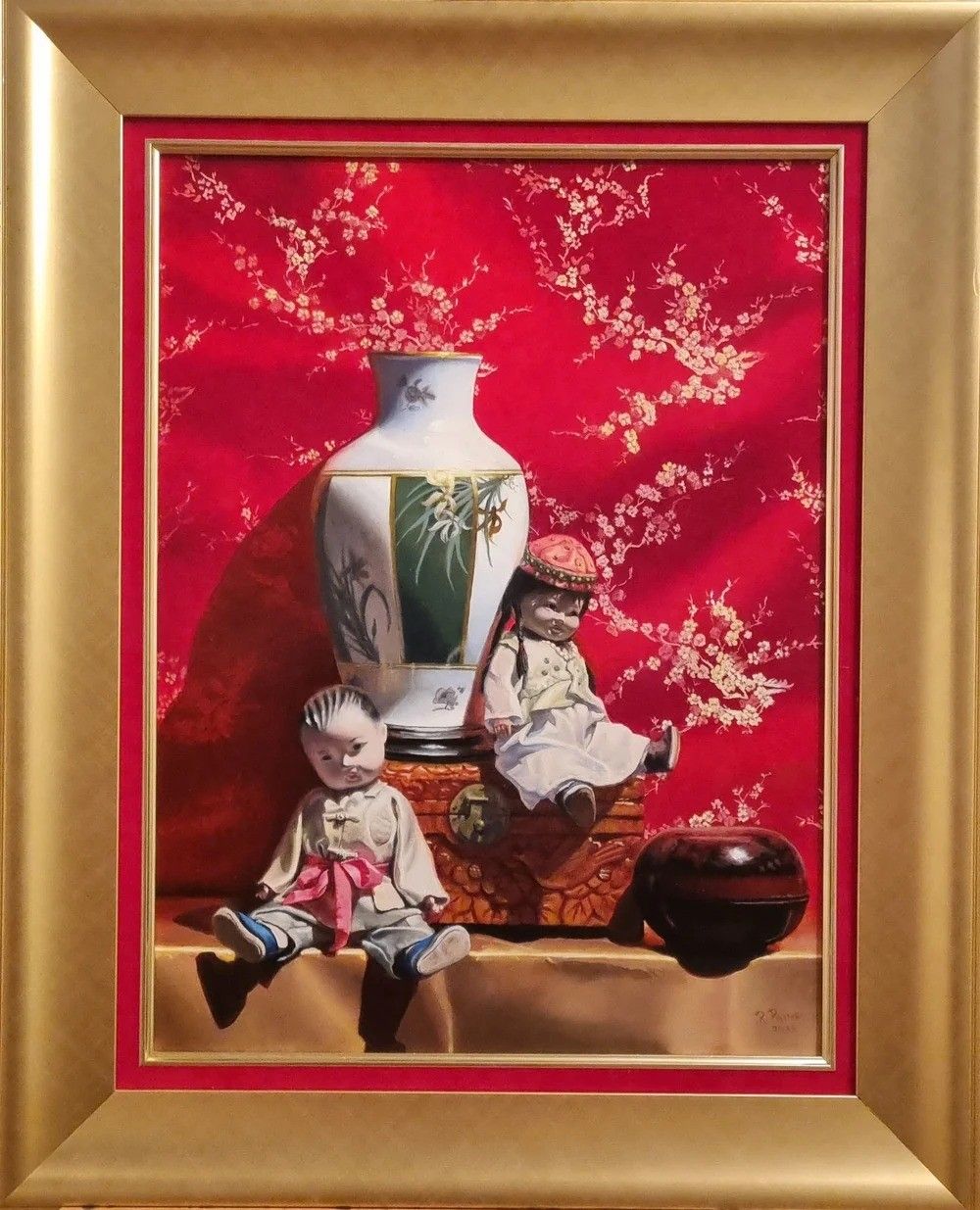
Australian art is defined by its ability to balance tradition with contemporary expression. From ancient visual storytelling to modern interpretations of place, identity, and experience, Australian artists have continually adapted while remaining connected to cultural roots. This evolving dialogue between past and present shapes a creative landscape that is both distinctive and deeply meaningful.
The Foundations of Traditional Australian Art
Traditional Australian art is rooted in storytelling, connection to land, and community. For thousands of years, visual expression has been used to record history, communicate knowledge, and preserve cultural identity. These traditions continue to influence modern Australian art through symbolism, narrative, and respect for place.
Rather than existing as static forms, traditional practices remain living systems of creativity. Artists draw upon inherited knowledge while adapting techniques and themes to reflect contemporary realities.
The Role of Landscape in Artistic Tradition
The Australian landscape has always been central to artistic expression. Vast open spaces, coastal environments, and remote regions shape how artists see and interpret the world. Traditional art often reflects deep relationships with land, focusing on its rhythms, seasons, and spiritual significance.
Contemporary artists continue this focus, using landscape as both subject and metaphor. Through abstraction, realism, and mixed media, they explore environmental change, memory, and personal connection to place.
Contemporary Expression in Modern Australian Art
Modern Australian art embraces innovation while remaining anchored in cultural awareness. Artists experiment with materials, techniques, and concepts, reflecting global influences alongside local perspectives.
Contemporary expression allows artists to address social change, identity, and modern life without abandoning traditional foundations. This fusion results in artwork that feels relevant yet timeless, grounded yet exploratory.
Bridging Past and Present Through Visual Language
One of the defining strengths of Australian art is its ability to bridge tradition and modern expression through visual language. Artists reinterpret historical motifs using contemporary styles, creating dialogue between generations.
This approach ensures continuity while allowing creative freedom. It honours the past without being confined by it, enabling Australian art to evolve organically.
Cultural Identity and Artistic Voice
Australian art is shaped by diverse voices and experiences. Cultural identity plays a significant role in how artists approach subject matter and technique. Tradition provides context, while contemporary expression allows artists to explore personal narratives within that framework.
This balance gives Australian art its distinctive voice—one that reflects complexity, resilience, and adaptability.
Materials and Techniques Across Eras
Traditional techniques often emphasise natural materials and meticulous processes, while contemporary artists may incorporate modern tools and experimental methods. Despite these differences, craftsmanship remains a shared value.
Many artists blend traditional and modern techniques, creating layered works that reflect both heritage and innovation. This blending highlights respect for artistic lineage while embracing creative evolution.
The Influence of Place on Artistic Evolution
Geography plays a crucial role in shaping artistic expression. Remote regions, urban centres, and coastal environments each influence how artists interpret tradition and modernity.
Artists respond to their surroundings, allowing place to guide both subject matter and style. This responsiveness keeps Australian art dynamic and deeply connected to lived experience.
Collecting Australian Art with Cultural Awareness
Collectors increasingly seek artwork that reflects both tradition and contemporary thought. Understanding an artwork’s cultural context enhances appreciation and connection.
By supporting artists who honour tradition while exploring new ideas, collectors help sustain the ongoing evolution of Australian art.
Australian Art in a Global Context
While distinctly local, Australian art resonates internationally. Its exploration of tradition and contemporary expression offers insight into universal themes such as identity, environment, and human connection.
This global relevance demonstrates how Australian artists successfully navigate cultural heritage while engaging with modern artistic discourse.
The Continuing Evolution of Australian Art
Australian art continues to evolve as artists respond to changing environments, technologies, and social landscapes. Tradition provides grounding, while contemporary expression offers freedom and adaptability.
This balance ensures that Australian art remains culturally rich, emotionally resonant, and creatively relevant for future generations.
Frequently Asked Questions
What defines traditional Australian art?
Traditional Australian art is grounded in storytelling, connection to land, and cultural continuity.
How does contemporary Australian art differ?
Contemporary art explores modern themes and techniques while often drawing from traditional foundations.
Can tradition and modern expression coexist in art?
Yes, many Australian artists successfully blend both, creating work that honours the past and engages the present.
Why is landscape important in Australian art?
Landscape reflects cultural identity, history, and emotional connection to place.
Why should collectors value Australian art?
It offers unique perspectives shaped by tradition, innovation, and strong cultural identity.