
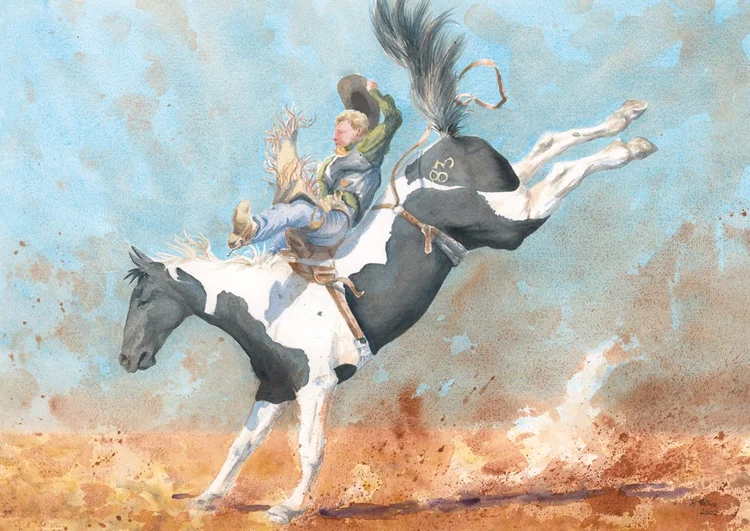
Australia is a land of vast distances, dramatic skies, and landscapes that shift in colour and character with every passing hour. Nowhere is this more evident than in rural Queensland. From open cattle country and winding riverbeds to weathered gums and sunlit plains, the region offers endless inspiration for artists. Australian landscape painting has long drawn strength from these environments, translating the raw beauty of rural Queensland into powerful visual storytelling.
The Landscape as Identity
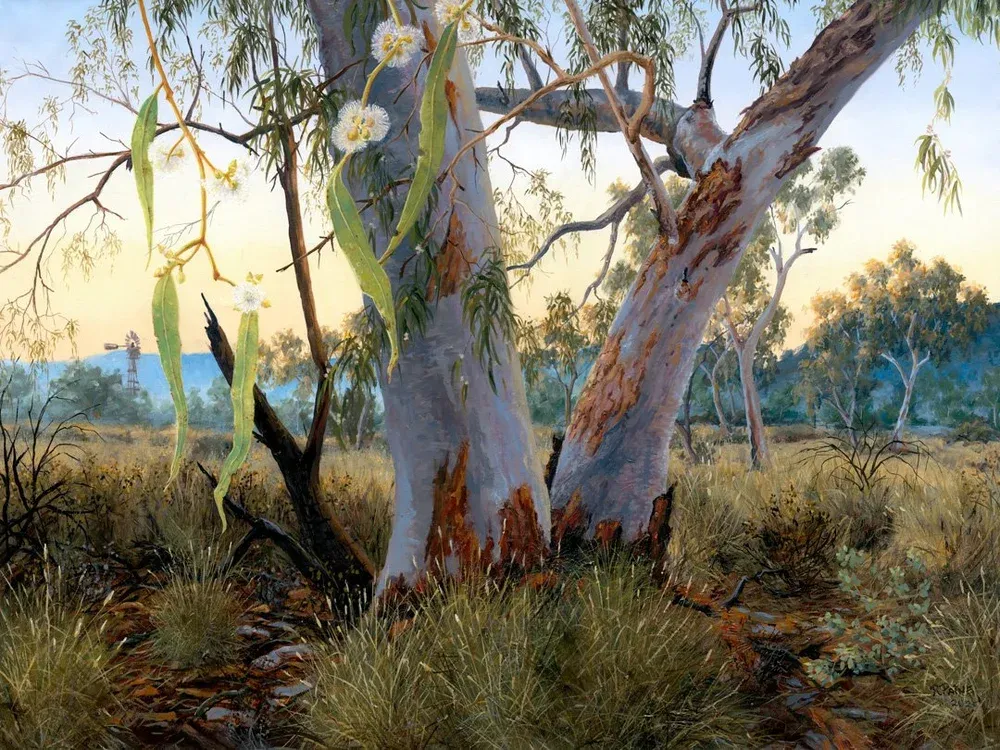
Rural Queensland is more than a setting — it is an identity. The dry earth, scattered eucalyptus trees, rocky escarpments, and luminous horizons speak of resilience and quiet strength. In many ways, Australian landscape painting reflects these same qualities. Artists interpret not just what they see, but what they feel — the stillness before a storm, the intensity of summer heat, the calm glow of dusk settling across open paddocks.
Queensland’s rural spaces are layered with subtle colour variations. Ochres, dusty pinks, muted greens, and deep cobalt skies create natural contrasts that challenge and inspire painters. The beauty lies not in dramatic mountains or dense forests alone, but in the openness — the breathing space of the land.
Light: Queensland’s Greatest Muse
One of the defining features of rural Queensland is its light. The sun sits high and strong for much of the year, casting sharp shadows and intensifying colour. Morning light can be soft and silvery, while afternoon light burns gold across dry grasslands. At sunset, the sky often transforms into a canvas of crimson, violet, and burnt orange.
For an artist, capturing this light is both a technical and emotional pursuit. Australian landscape painting often emphasizes tonal shifts and atmospheric depth to reflect the changing hours of the day. Light shapes form, defines distance, and creates mood. Without understanding Queensland’s light, a landscape painting may feel incomplete.
Texture and the Character of the Land
Rural Queensland landscapes are textured environments. Cracked soil, peeling bark, rocky ridges, and coarse grasses all contribute to a sense of tactile richness. Many painters use layered brushwork, palette knife techniques, or impasto methods to reflect these physical qualities.
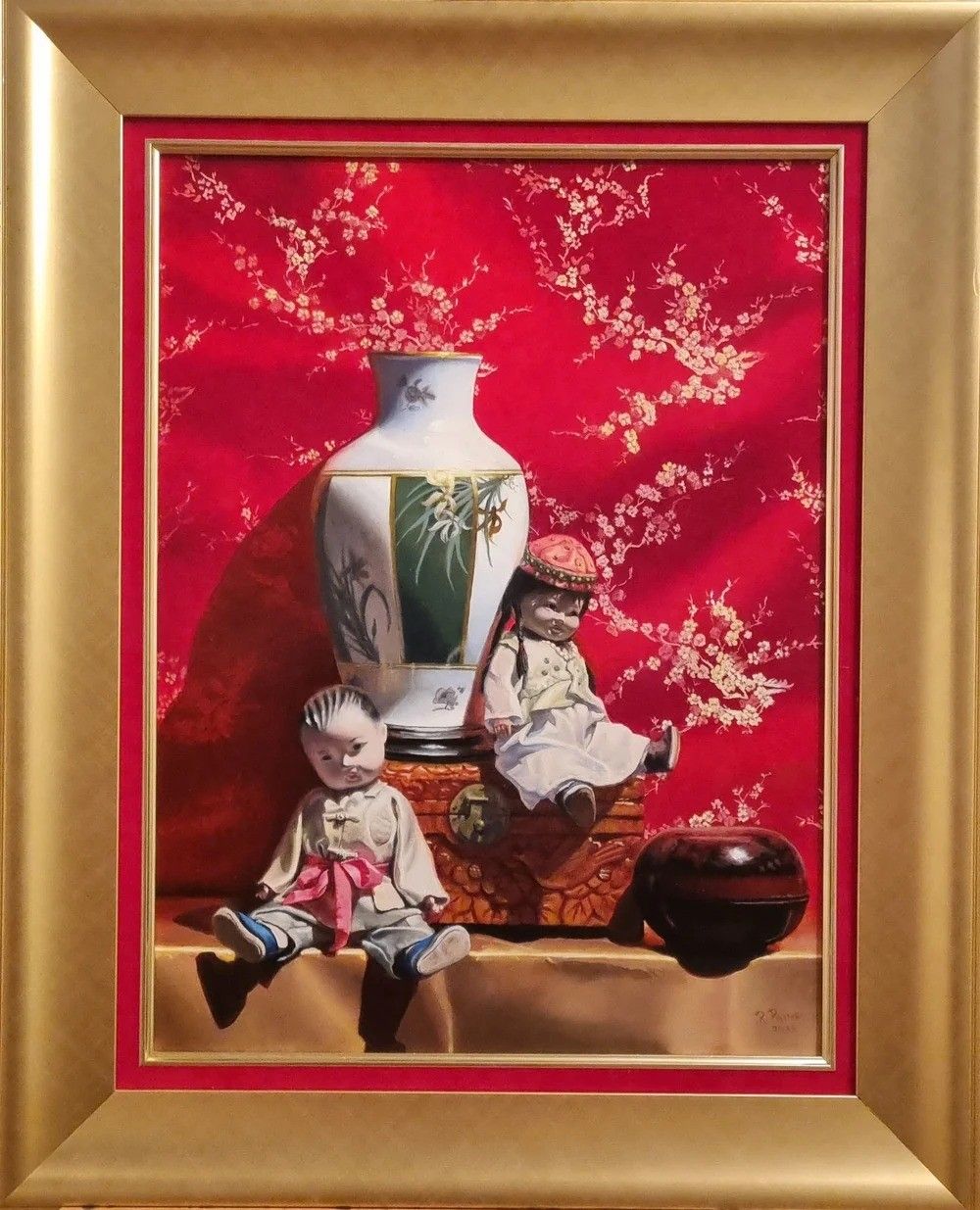
Texture adds realism but also conveys emotion. Thick paint strokes may communicate heat and harshness. Softer blending may express stillness and peace. Through texture, Australian landscape painting becomes more than representation — it becomes experience.
The Emotional Pull of Open Spaces
Unlike urban landscapes filled with architectural lines and human activity, rural Queensland landscapes often evoke solitude. This solitude is not loneliness; rather, it is a peaceful quiet. The openness allows viewers to breathe, reflect, and connect inwardly.
frequently draws on this emotional pull. A lone gum tree in an expansive field can symbolize endurance. A winding dirt track disappearing into the horizon can represent journey and possibility. These themes resonate deeply with collectors who seek art that offers calm and contemplation in their homes.
Seasonal Transformations
Rural Queensland transforms dramatically with the seasons. During the wet season, rivers swell and grasslands flush with green. In the dry season, the earth shifts toward warm browns and golds. After rain, reflections shimmer in temporary waterholes, offering dynamic composition opportunities.
Australian landscape painting often documents these seasonal shifts. Artists become observers of change, capturing fleeting moments before they fade. This attention to seasonal variation gives landscape art a sense of time and authenticity.
Rural Life and Cultural Narrative
Beyond natural features, rural Queensland landscapes carry stories of agriculture, cattle stations, small communities, and remote homesteads. Fence lines, windmills, stockyards, and rustic sheds subtly appear in many paintings, grounding the landscape in lived experience.
australian landscape painting serves as a cultural archive. It preserves scenes that may change with modernization and development. Through art, rural life becomes part of the nation’s visual memory. This narrative quality adds depth and meaning to the artwork, elevating it beyond decorative appeal.
Composition and Perspective
The wide horizons of Queensland require thoughtful composition. Artists often use horizontal formats to emphasize breadth. Foreground elements such as grasses, rocks, or tree trunks anchor the viewer’s eye, while distant hills or sky gradients create depth.
Perspective in Australian landscape painting is crucial to conveying distance. Subtle colour desaturation in the background mimics atmospheric perspective, making distant ranges appear softer and cooler. These technical choices help translate the vastness of Queensland’s rural terrain onto canvas.
Why Collectors Are Drawn to Rural Queensland Landscapes
Collectors are often drawn to Australian landscape painting because it represents authenticity. Rural Queensland landscapes feel genuine and unfiltered. They carry a sense of connection to the land — something many Australians value deeply.
Landscape art also complements modern interiors beautifully. Neutral earth tones blend with contemporary décor, while vibrant sunsets add warmth to minimalist spaces. More importantly, rural Queensland landscapes offer emotional grounding. In busy urban lives, artwork depicting open country provides visual rest.
The Role of Original Paintings
Original Australian landscape paintings hold a special presence. Unlike prints, original works contain texture, brush movement, and subtle variations that cannot be fully replicated. They capture the artist’s direct interaction with the land — each stroke reflecting observation and response.
Owning an original painting inspired by rural Queensland is more than acquiring décor. It is investing in a piece of place and perspective. The artwork becomes a daily reminder of Australia’s natural beauty and enduring spirit.
Preserving Beauty Through Art
As landscapes evolve through climate shifts and development, paintings become historical markers. They preserve how a region once looked and felt. Australian landscape painting therefore plays a vital role in environmental appreciation and cultural preservation.
By translating rural Queensland’s beauty into art, painters encourage viewers to value and protect these environments. Art becomes both celebration and quiet advocacy.
Frequently Asked Questions
What makes rural Queensland a popular subject for landscape painters?
Rural Queensland offers vast open spaces, distinctive light, rich earth tones, and strong seasonal contrasts. These elements provide both visual drama and emotional depth, making it an inspiring subject for artists.
Why is light so important in Australian landscape painting?
Light defines colour, shape, and mood. Queensland’s intense sunlight and vibrant sunsets create dramatic tonal variations that artists aim to capture for realism and atmosphere.
How do artists convey the vastness of Queensland landscapes?
Artists use horizontal compositions, atmospheric perspective, layered colour tones, and foreground anchors to create a sense of depth and distance.
Are rural landscapes more popular than coastal scenes?
Both are popular, but rural landscapes appeal strongly to collectors who connect with Australia’s agricultural heritage and outback identity.
Why choose an original Australian landscape painting instead of a print?
Original paintings offer unique texture, brushwork, and authenticity. They provide a tactile and emotional presence that reproductions cannot fully replicate.
How should I display a rural Queensland landscape painting?
Choose a space with good lighting and neutral surroundings. Landscape paintings often work well in living rooms, hallways, or offices where their calming presence can be appreciated daily.
Final Thoughts
Australian landscape painting continues to celebrate the quiet strength and enduring beauty of rural Queensland. Through light, texture, and thoughtful composition, artists transform open country into powerful visual stories. Whether viewed as cultural preservation, emotional expression, or aesthetic enhancement, these paintings remind us of the deep connection between land and identity in Australia.