
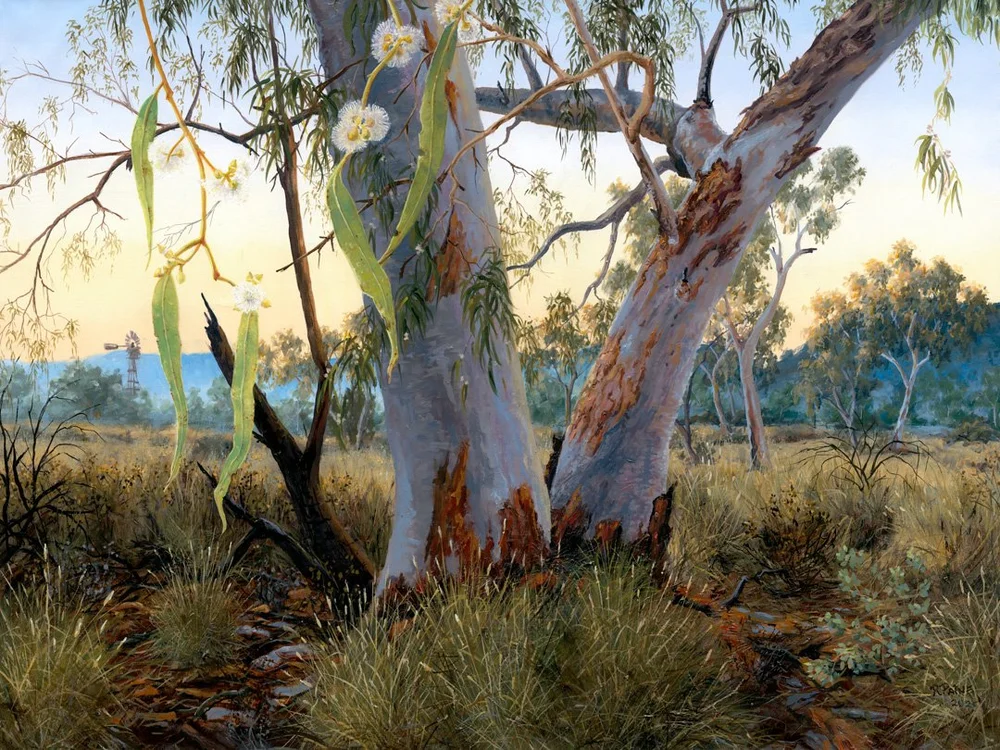
Australian landscapes art holds a special place in the country's cultural and artistic heritage. From the vast red deserts of the outback to the pristine coastlines, towering mountain ranges, and lush bushland, Australia's natural beauty has inspired artists for generations. Through paintings, drawings, and mixed-media works, artists capture the unique colors, textures, and atmosphere that define the Australian environment.
Today, Australian landscape art remains one of the most popular and collectible art genres. Its ability to evoke emotion, preserve memories, and showcase the country's remarkable scenery continues to attract collectors, interior designers, galleries, and art enthusiasts from around the world. Whether rendered in a realistic, impressionistic, or contemporary style, Australian landscapes art celebrates the enduring connection between people and place.
The Importance of Australian Landscape Art
Landscape art has played a significant role in documenting and interpreting Australia's environment. Early artists painted the country's unfamiliar terrain, introducing audiences to its unique natural features. Over time, landscape painting evolved beyond documentation and became a powerful means of artistic expression.
Australian landscapes art reflects:
The diversity of the Australian environment
The relationship between people and nature
Regional identity and cultural heritage
Environmental awareness and appreciation
Personal experiences of place and travel
Through artistic interpretation, landscapes become more than visual representations—they become stories that connect viewers to the land.
What Makes Australian Landscapes Unique?
Australia is home to some of the world's most distinctive natural environments, providing endless inspiration for artists.
The Australian Outback
The vast outback is one of Australia's most iconic landscapes. Characterized by red earth, dramatic rock formations, and expansive skies, the outback represents both beauty and resilience.
Artists often focus on:
Ancient geological formations
Desert vegetation
Changing light conditions
Wide open horizons
Coastal Landscapes
Australia's coastline stretches thousands of kilometres and features beaches, cliffs, bays, and ocean views that inspire countless artworks.
Coastal paintings often convey tranquility, movement, and the vibrant colors of sea and sky.
Native Bushland
Bushland environments are rich with eucalyptus trees, wildflowers, and native wildlife. These landscapes capture the essence of Australia's natural character.
Mountain and Forest Regions
From alpine peaks to dense rainforests, Australia's elevated regions provide artists with opportunities to explore dramatic scenery and atmospheric effects.
Popular Styles in Australian Landscapes Art
Realism
Realistic landscape paintings aim to accurately portray the details, colours, and textures found in nature. These works often showcase remarkable technical skill and observation.
Impressionism
Impressionist artists focus on capturing mood, light, and atmosphere rather than precise detail. Their paintings often feature expressive brushwork and vibrant colour palettes.
Contemporary Landscape Art
Contemporary artists reinterpret traditional landscape themes using modern techniques, innovative compositions, and personal perspectives.
Abstract Landscapes
Abstract landscape art uses colour, shape, and texture to evoke the feeling of a place rather than depicting it literally.
Themes Commonly Found in Australian Landscape Art
Light and Atmosphere
Australia's distinctive sunlight creates dramatic effects that artists frequently explore in their work.
Seasonal Change
Artists often document how landscapes transform throughout the year, reflecting changes in weather, vegetation, and light.
Environmental Awareness
Many contemporary artists address themes of conservation and environmental stewardship through their landscapes.
Cultural Connection
Australian landscapes are deeply connected to cultural identity and heritage, making them meaningful subjects for artistic exploration.
Why Collect Australian Landscapes Art?
Timeless Beauty
Landscape art remains relevant across generations because of its universal appeal and connection to nature.
Decorative Impact
A landscape painting can transform a room, creating a focal point and enhancing the overall atmosphere of a space.
Emotional Connection
Many collectors are drawn to artworks that remind them of favourite destinations, family memories, or meaningful experiences.
Support for Artists
Purchasing original art directly supports Australian artists and contributes to the country's creative economy.
Australian Landscape Art in Interior Design
Interior designers frequently incorporate landscape art into residential and commercial projects because it brings warmth, character, and visual interest to a space.
Benefits include:
Creating a calming environment
Adding colour and texture
Establishing focal points
Reflecting personal style
Connecting interiors with nature
Large landscape paintings are particularly effective in living rooms, offices, reception areas, and hospitality spaces.
Commissioning Custom Landscape Art
Many artists offer commissioned landscape paintings based on specific locations or personal memories.
Clients may request:
Favourite holiday destinations
Family properties
Coastal views
Rural scenes
Outback landscapes
Commissioned artworks provide a unique opportunity to own a personalized piece that holds special significance.
The Growing Popularity of Australian Landscape Art
Interest in Australian landscape art continues to grow among both local and international collectors. Online galleries and artist websites have made original artwork more accessible than ever before.
Modern buyers increasingly value:
Authenticity
Originality
Handcrafted artwork
Environmental themes
Direct connections with artists
As a result, landscape art remains one of Australia's strongest and most enduring artistic traditions.
The Future of Australian Landscapes Art
Contemporary artists continue to explore innovative ways of interpreting Australia's landscapes. While traditional painting techniques remain popular, many artists combine classic skills with modern approaches and materials.
Future trends are likely to include:
Greater environmental storytelling
Sustainable artistic practices
Mixed-media experimentation
Digital engagement and online exhibitions
Despite these changes, the core appeal of Australian landscapes art remains unchanged: celebrating the beauty and spirit of the land.
Conclusion
Australian landscapes art offers a powerful celebration of one of the world's most diverse and captivating environments. Through landscapes inspired by the outback, coastlines, forests, and rural regions, artists continue to share their vision of Australia's natural beauty with audiences around the globe.
Whether displayed in homes, galleries, offices, or public spaces, landscape art creates lasting connections between people and place. As collectors increasingly seek authentic and meaningful artwork, Australian landscapes art remains a timeless and valuable expression of the country's identity and creative spirit.
Frequently Asked Questions
What is Australian landscapes art?
Australian landscapes art refers to paintings and artworks inspired by Australia's natural environments, including the outback, coastlines, forests, mountains, and rural areas.
Why is Australian landscape art so popular?
Its timeless beauty, connection to nature, and representation of Australia's unique scenery make it highly sought after by collectors and art lovers.
What styles are commonly used in landscape art?
Popular styles include realism, impressionism, contemporary landscape painting, and abstract interpretations.
Can I commission a landscape painting?
Yes. Many Australian artists accept commissions based on specific locations, memories, and personal preferences.
Where can landscape art be displayed?
Landscape art is suitable for homes, offices, galleries, hotels, restaurants, and commercial spaces.
What mediums are used in Australian landscape art?
Artists commonly work with oils, acrylics, watercolours, charcoal, pastel, and mixed-media techniques.
Is original landscape art a good investment?
Original artworks by respected and emerging artists may increase in value over time while providing lasting enjoyment.