
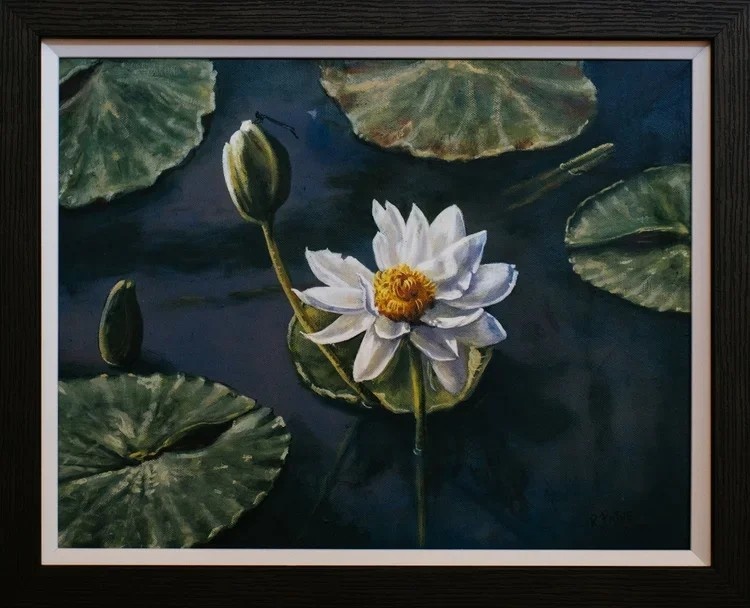
Australian outback painting is a powerful expression of one of the most striking and diverse landscapes in the world. Known for its vast open spaces, dramatic skies, and rich earthy tones, the Australian Outback has inspired countless artists to translate its beauty onto canvas. What makes these paintings truly captivating is their ability to capture not just the physical environment, but also the essence of nature and the ever-changing quality of light.
In this blog, we explore how Australian outback paintings bring together nature and light to create artworks that are both visually stunning and emotionally resonant.
The Unique Beauty of the Australian Outback
The Australian Outback is unlike any other landscape. Stretching across vast regions, it is characterized by red desert sands, rugged rock formations, sparse vegetation, and an expansive sky that seems to go on forever. This environment offers a raw and untouched beauty that is both harsh and mesmerizing.
Artists are drawn to the Outback because of its:
Vastness and openness
Distinctive colour palette
Dramatic lighting conditions
Strong connection to nature
These elements provide endless inspiration, allowing artists to create paintings that feel alive and immersive.
The Role of Light in Outback Paintings
Light plays a crucial role in Australian outback painting. The intensity of the Australian sun creates sharp contrasts, deep shadows, and vibrant colours that change throughout the day. From the soft glow of sunrise to the fiery hues of sunset, light transforms the landscape in remarkable ways.
Artists often focus on capturing:
Golden morning light that gently illuminates the land
Harsh midday sun that intensifies colours and textures
Warm sunset tones of orange, red, and purple
Cool twilight shades that bring calm and depth
Rather than simply replicating these effects, artists interpret light creatively, enhancing it to evoke mood and atmosphere. This artistic approach gives outback paintings their distinctive character.
Capturing Nature Through Colour
Colour is one of the most powerful tools in outback painting. The Australian landscape is known for its rich and earthy palette, including:
Deep reds and burnt oranges of the desert
Golden yellows of dry grasses
Soft greens of native vegetation
Brilliant blues of the sky
Artists use these colours not only to represent the landscape but also to express emotion. Bold, saturated hues can convey heat and intensity, while softer tones create a sense of calm and distance.
Layering and blending techniques are often used to add depth and texture, making the painting feel more dynamic and realistic. This interplay between colour and light is what makes Australian outback art so visually compelling.
Techniques Used in Outback Painting
Artists employ a variety of techniques to capture the essence of the Outback:
1. Textured Brushwork
Thick, textured paint is often used to mimic the rugged terrain. This technique adds a tactile quality to the artwork, making it feel more immersive.
2. Layering Colours
Multiple layers of paint are applied to build depth and richness. This method allows artists to create subtle transitions in light and shadow.
3. Loose and Expressive Strokes
Rather than focusing on fine detail, many artists use loose brushstrokes to capture movement and atmosphere.
4. Palette Knife Application
Using a palette knife can create bold textures and sharp edges, adding drama to the composition.
These techniques help artists move beyond realism and create paintings that convey the emotional essence of the landscape.
Emotional Connection to the Land
Australian outback paintings often evoke a deep emotional response. The vastness of the landscape can inspire feelings of freedom, solitude, and reflection. At the same time, the intense colours and dramatic lighting can create a sense of awe and wonder.
For many viewers, these paintings offer:
A connection to nature
A sense of escape from urban life
A reminder of the beauty of the natural world
This emotional impact is one of the reasons why outback paintings are so popular among collectors and art enthusiasts.
Perfect for Interior Spaces
Australian outback paintings are a versatile addition to any interior space. Their warm tones and natural themes make them suitable for a wide range of décor styles, including modern, rustic, and contemporary.
Here’s how they enhance interiors:
Living Rooms: Large statement pieces create a focal point
Bedrooms: Softer landscapes add calm and relaxation
Offices: Inspiring scenes boost creativity and focus
Hallways: Smaller artworks add character and continuity
By bringing the beauty of the Outback indoors, these paintings transform spaces into inviting and inspiring environments.
The Growing Popularity of Outback Art
In recent years, Australian outback painting has gained increasing recognition both locally and internationally. Collectors appreciate the uniqueness of the style and the authenticity it represents.
Reasons for its growing popularity include:
Distinctive visual appeal
Cultural and environmental significance
Versatility in design
Investment potential
As more people seek meaningful and original artwork, outback paintings continue to stand out as a timeless choice.
Supporting Local Artists
Purchasing Australian outback paintings is also a way to support local artists and their creative work. Many artists draw inspiration directly from their surroundings, creating pieces that reflect personal experiences and a deep connection to the land.
By investing in original artwork, buyers contribute to:
The growth of the art community
The preservation of artistic traditions
The promotion of unique cultural perspectives
Frequently Asked Question
1. What defines an Australian outback painting?
An Australian outback painting typically features the landscapes of the Outback, characterized by vast open spaces, earthy colours, and dramatic lighting.
2. Why is light so important in these paintings?
Light defines the mood, depth, and atmosphere of the artwork. It enhances colours and brings the landscape to life.
3. What colours are commonly used?
Common colours include reds, oranges, yellows, browns, blues, and greens, reflecting the natural environment of the Outback.
4. Are Outback paintings suitable for modern homes?
Yes, their bold colours and natural themes make them a great fit for modern and contemporary interiors.
5. What media are used in outback painting?
Artists commonly use oils, acrylics, and sometimes mixed media to create texture and depth.