The Australian Outback is often described as barren, isolated, or untouched. But for those who look deeper, it is a vast living canvas—an explosion of color, culture, and creativity. And at the heart of this desert landscape are the remote Australian Outback artists whose talent is reshaping the global art scene.
These artists, often living hundreds of kilometers away from major cities, create some of the most powerful visual stories in the world. Their work is raw, honest, spiritual, and deeply connected to the land. For years, many remained hidden from mainstream visibility due to their remote locations. Today, however, their voices are flooding into galleries, online exhibitions, and collectors’ radar worldwide.
This is the story of Australia’s unpolished gems—the remote Outback artists making a big impact.
The Outback: A Landscape That Paints Itself
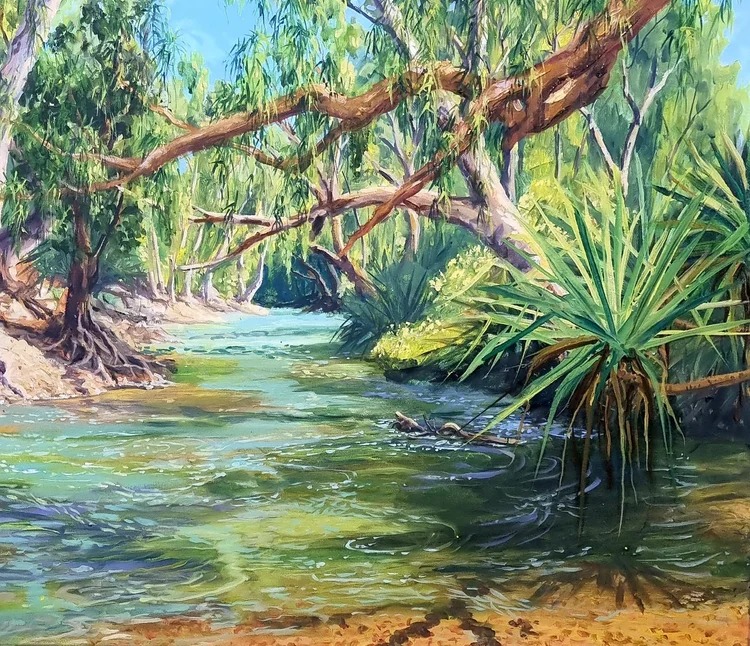
The Outback is more than a setting; it is a source of inspiration. In the Northern Territory, sunburnt reds radiate across the desert floor. In Western Australia, ochre cliffs rise like ancient temples. Queensland’s Outback offers sweeping plains, ghost gums, and shimmering horizons. These landscapes are not just beautiful; they are sacred, energetic, and story-rich.
Remote Outback artists see the land not as scenery, but as ancestor, healer, and storyteller. This deep connection gives their artwork extraordinary emotional depth.
Their paintings—often layered with symbols, Dreamtime narratives, and intricate dot patterns—carry meanings far beyond aesthetics. Viewers from all over the world describe their work as hypnotic, meditative, and spiritually powerful.
The Power of Art from Isolation
Many Outback artists live in communities with small populations, limited internet access, and long distances between towns. Yet this very isolation fuels creativity.
Without the noise of city life, artists are surrounded by silence, nature, and tradition. Creativity becomes an everyday ritual. Stories are passed down orally, then retold through paint. Cultural knowledge is preserved, honored, and shared with each new generation.
This deeply grounded artistic process results in works that feel authentic and timeless. Collectors often note that Outback art carries an energy that’s impossible to replicate in urban studios.
The Global Rise of Remote Outback Artists
Over the last decade, the world has begun to take notice.
1. International Exhibitions
Outback art is now displayed in galleries across London, New York, Berlin, Tokyo, and Dubai. International curators often describe Outback artists as “visionaries” and “masters of landscape storytelling.”
2. Online Art Market Growth
The digital boom has opened doors that distance once closed. Even artists without internet access are supported by art centers that promote their work globally.
3. Cultural Tourism
Travelers from around the world visit remote communities to learn about Aboriginal culture, traditions, and art-making. This movement has strengthened the presence of Outback art on the global cultural map.
4. Rising Value in Art Auctions
Art by remote Australian Outback artists continues to climb in value. Some works now sell at major auctions for record prices, confirming the growing international demand.
More Than Art: Stories That Shape Identity
One of the most beautiful aspects of Outback art is that each piece carries a story. It might be about the creation of a waterhole, a journey across country, or a tale passed through generations.
These stories are not fictional—they are maps of heritage, spirituality, and survival.
Remote artists often see themselves as story custodians, responsible for protecting sacred knowledge. Their paintings become bridges between past and present, allowing viewers worldwide to connect emotionally with Indigenous culture.
This cultural responsibility is one reason Outback art resonates globally—it is authentic, powerful, and meaningful.
Community Art Centres: The Backbone of Remote Talent
Across the Outback, community-run art centers play a vital role in nurturing artists. These centers:
Provide materials such as paints, brushes, and canvases
Help artists share their work with the world
Offer business support, exhibitions, and online promotion
Ensure profits go directly back to the artists and communities
Preserve cultural practices and knowledge
Without these centers, many brilliant artists would remain unknown.
Artistic Styles that Stand Out
Remote Australian Outback artists are known for a wide range of styles, including:
Dot painting
Dreamtime story illustrations
Bold abstract storytelling
Natural ochre painting
Contemporary Indigenous fusion art
Landscape interpretation using traditional symbolism
Each style tells a different story, yet all share a deep connection to land and culture.
Why Their Impact Matters
Remote Outback artists are doing more than creating stunning works. They are:
Preserving ancient knowledge
Strengthening community identity
Passing traditions to younger generations
Educating global audiences
Creating economic independence for remote regions
Their impact extends far beyond art—it touches culture, community, and national identity.
Final Thoughts
Remote Australian Outback artists are no longer hidden. Their voices, colours, and stories are now influencing the global art world, reshaping cultural conversations, and giving the Outback a powerful presence on the world stage.
Their artwork is not just something you hang on a wall—it’s a living story, a piece of heritage, and a celebration of Australia’s most extraordinary landscapes.