
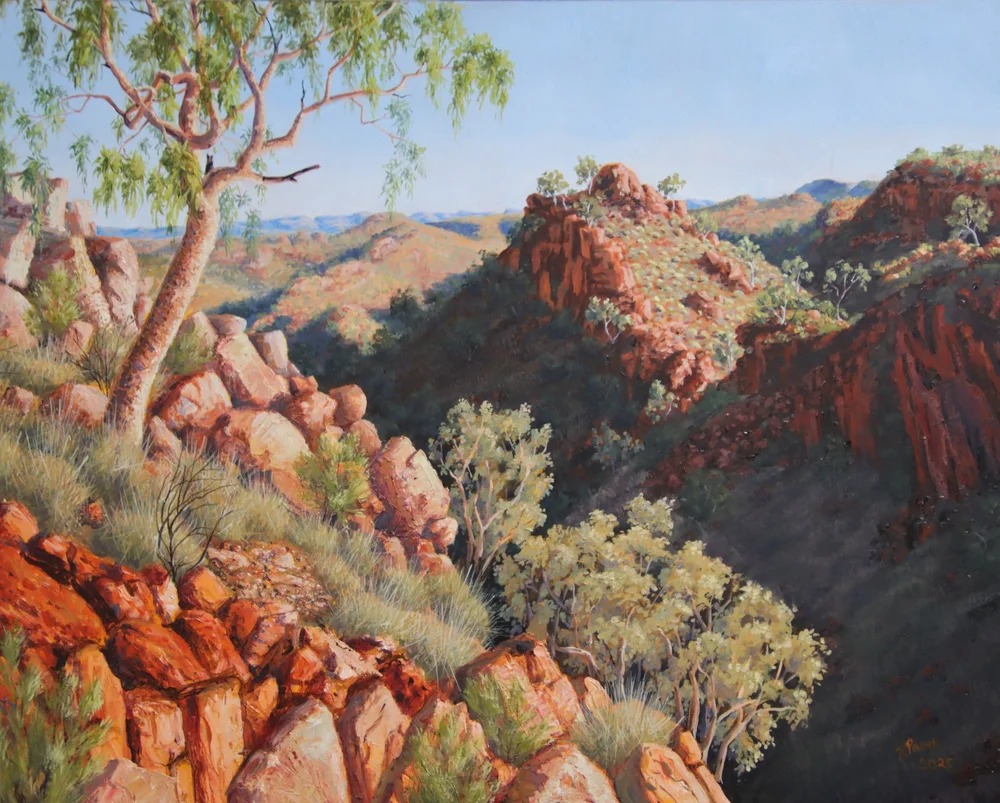
Realistic art drawings have fascinated artists and art enthusiasts for centuries. The ability to recreate the world with incredible accuracy and detail is a skill that requires patience, observation, and dedication. Whether created with graphite pencils, charcoal, colored pencils, or digital tools, realistic drawings showcase the artist's ability to capture textures, proportions, light, and emotion.
Today, realistic art remains one of the most admired artistic styles. From stunning portraits and wildlife illustrations to architectural sketches and still-life compositions, realistic art drawings continue to inspire creativity and appreciation for artistic talent.
In this article, we will explore what realistic art drawings are, the techniques used to create them, their benefits, and how aspiring artists can improve their skills.
What Are Realistic Art Drawings?
Realistic art drawings are artworks designed to closely resemble real-life subjects. The goal is to create an image that appears lifelike and accurate in terms of proportions, shading, texture, and perspective.
Unlike abstract or stylized art, realism focuses on presenting subjects as they naturally appear. Artists pay close attention to every detail, including skin textures, reflections, shadows, and subtle variations in colour or tone.
Realistic drawings can feature:
- Human portraits
- Animals and wildlife
- Landscapes
- Buildings and architecture
- Everyday objects
- Nature studies
The level of realism can vary from moderately detailed sketches to hyper-realistic artworks that look almost identical to photographs.
The History of Realistic Art
Realism has been a significant part of art history for centuries. Early artists sought to accurately depict the human form and natural surroundings. During the Renaissance period, artists developed advanced techniques for perspective, anatomy, and shading, laying the foundation for realistic drawing.
As artistic tools and knowledge evolved, realism became more sophisticated. Artists learned to use light and shadow to create depth and dimension. Today, modern artists combine traditional techniques with digital technology to produce remarkably realistic artworks.
Essential Techniques for Realistic Art Drawings
1. Observation Skills
One of the most important skills for realistic drawing is observation. Artists must carefully study their subjects to understand shapes, proportions, textures, and lighting conditions.
Learning to see details accurately is often more important than drawing ability itself. Strong observation skills help artists capture subtle features that make drawings appear realistic.
2. Accurate Proportions
Proper proportions are critical in realistic art. Even small inaccuracies can make a drawing appear unnatural.
Artists often use measurement techniques such as:
- Grid methods
- Comparative measuring
- Reference points
- Guideline sketches
These methods help ensure that all elements of the drawing are correctly positioned.
3. Shading and Value
Shading creates the illusion of three-dimensional form. By varying the darkness and lightness of tones, artists can show depth, volume, and lighting.
Common shading techniques include:
- Hatching
- Cross-hatching
- Blending
- Stippling
- Layering
Mastering value transitions is essential for producing realistic effects.
4. Understanding Light and Shadow
Light determines how objects appear in space. Artists must understand highlights, midtones, core shadows, reflected light, and cast shadows.
Correctly rendering light and shadow helps create convincing realism and enhances the visual impact of a drawing.
5. Texture Rendering
Different surfaces require different drawing approaches. For example:
- Skin appears smooth and soft.
- Fur consists of layered strands.
- Metal reflects light sharply.
- Wood displays grain patterns.
Learning how to reproduce textures accurately significantly improves realism.
Tools Used for Realistic Drawings
Artists use a variety of materials depending on their preferred style and technique.
Graphite Pencils
Graphite pencils are among the most popular tools for realistic drawing. They provide a wide range of tonal values and allow precise detail work.
Charcoal
Charcoal creates rich, dark tones and dramatic contrasts. It is often used for portraits and expressive, realistic studies.
Colored Pencils
Colored pencils allow artists to add realistic colour while maintaining fine details.
Erasers
Kneaded and precision erasers are important tools for lifting highlights and refining details.
Drawing Paper
High-quality paper enhances the appearance of realistic artwork and supports multiple layers of shading.
Benefits of Practicing Realistic Art Drawings
Improves Observation
Drawing trains artists realistically to notice details that others often overlook. This heightened awareness improves artistic accuracy.
Develops Patience
Realistic drawings often require many hours of focused work. Artists learn patience, discipline, and perseverance through the creative process.
Strengthens Technical Skills
Realism requires mastery of proportion, shading, perspective, and composition. These skills benefit artists working in any style.
Enhances Creativity
Although realism focuses on accuracy, artists still make creative decisions regarding composition, lighting, and presentation.
Builds Confidence
Completing a detailed, realistic drawing provides a strong sense of accomplishment and motivates artists to continue improving.
Common Challenges in Realistic Drawing
Achieving Accurate Proportions
Many beginners struggle with maintaining correct proportions. Regular practice and careful measurement can help overcome this issue.
Creating Smooth Shading
Uneven shading can reduce realism. Artists should practice blending techniques and tonal control.
Capturing Fine Details
Details require precision and patience. Working gradually and using sharp drawing tools improves results.
Maintaining Consistency
Large drawings may take days or weeks to complete. Consistent lighting and careful planning help maintain accuracy throughout the process.
Tips for Beginners
If you are new to realistic drawing, consider these practical tips:
- Start with simple objects before attempting complex portraits.
- Use high-quality reference images.
- Practice basic shapes and forms.
- Focus on understanding light and shadow.
- Work slowly and avoid rushing details.
- Compare your drawing with the reference frequently.
- Learn from mistakes and continue practicing regularly.
Improvement comes through repetition and observation. Every drawing teaches valuable lessons that contribute to future success.
The Growing Popularity of Realistic Art Drawings
Social media and online art communities have helped realistic art gain global attention. Artists can now share their work with audiences worldwide, receive feedback, and connect with fellow creators.
Many collectors appreciate realistic drawings because they demonstrate exceptional technical skill and dedication. Whether displayed in homes, galleries, or digital portfolios, realistic artwork continues to attract admiration and demand.
Additionally, realistic drawing skills are valuable in industries such as illustration, animation, design, architecture, and fine arts.
Conclusion
Realistic art drawings represent one of the most impressive forms of artistic expression. Through careful observation, technical skill, and consistent practice, artists can transform simple lines and shading into lifelike masterpieces.
Whether you are a beginner exploring the fundamentals or an experienced artist refining advanced techniques, realistic drawing offers endless opportunities for growth and creativity. By studying light, texture, proportion, and detail, artists can create captivating works that inspire viewers and showcase the remarkable power of visual art.
Frequently Asked Questions
1. What are realistic art drawings?
Realistic art drawings are artworks created to closely resemble real-life subjects using accurate proportions, shading, textures, and details.
2. Which pencil is best for realistic drawing?
Graphite pencils ranging from HB to 8B are commonly used because they provide a wide range of tonal values.
3. How long does it take to create a realistic drawing?
The time varies depending on complexity. Simple drawings may take a few hours, while highly detailed works can require several days or weeks.
4. Can beginners learn realistic drawing?
Yes. With consistent practice, observation, and proper techniques, beginners can gradually develop realistic drawing skills.
5. What is the most important skill in realistic drawing?
Observation is often considered the most important skill because it helps artists accurately capture shapes, proportions, and details.
6. Do I need expensive materials to start?
No. Basic graphite pencils, an eraser, and quality paper are sufficient for beginners.