
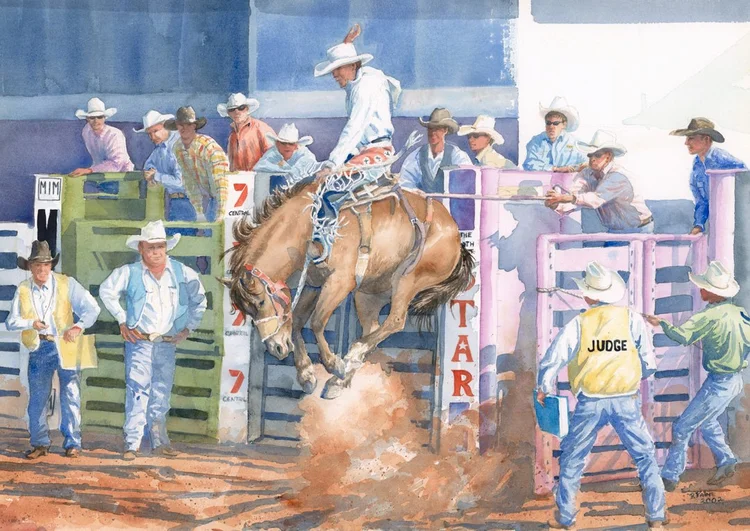
Realistic art drawings have an extraordinary ability to challenge the way we perceive images. At first glance, these works often appear indistinguishable from photographs. Only after closer inspection do the fine pencil marks, subtle shading, and deliberate textures reveal the artist’s hand. This balance between technical precision and artistic interpretation is what makes realistic drawings so compelling.
In an era dominated by digital photography, realistic drawing remains a powerful form of expression. It invites viewers to slow down, look closely, and appreciate the craftsmanship behind every detail.
The Art of Seeing Beyond the Surface
Photorealistic drawing begins with observation. Artists who specialise in realism train their eyes to see beyond outlines and shapes. They study how light interacts with surfaces, how shadows soften edges, and how textures vary across a subject.
This heightened level of observation allows artists to capture details that cameras may overlook. A photograph records a moment instantly, while a realistic drawing is built gradually, layer by layer. This process allows the artist to interpret the subject with intention rather than simply record it.
Why Realistic Drawings Resemble Photographs
The illusion of photography in realistic drawings is achieved through control of tonal values. Artists carefully balance light and dark areas to create depth and volume. Smooth transitions between tones are essential, as harsh lines can break the illusion.
Techniques such as blending, layering, and erasing are used to refine highlights and textures. Every mark serves a purpose, contributing to a lifelike representation that feels tangible and real.
Time, Patience, and Precision
One of the defining characteristics of realistic drawing is the time involved. A single artwork may take dozens or even hundreds of hours to complete. This slow process allows artists to refine details and correct small inconsistencies that might otherwise go unnoticed.
Patience is essential. Rushing a realistic drawing often results in flat or unnatural areas. The commitment to precision is what ultimately allows the artwork to rival the clarity of photography.
The Role of Light and Shadow
Light is the foundation of realism. Without understanding how light behaves, even the most detailed drawing can feel lifeless. Realistic artists carefully observe light sources, reflections, and shadow edges.
Soft shadows suggest distance, while sharp contrasts create focus. Highlights add dimension and realism. By mastering these elements, artists can create drawings that feel three-dimensional, further blurring the line between art and photography.
Texture as a Key to Realism
Texture plays a vital role in convincing realism. Skin, fabric, metal, fur, and natural surfaces all reflect light differently. Artists replicate these qualities using varied pencil pressure, stroke direction, and layering techniques.
In realistic drawings, texture often becomes the element that draws viewers closer. The desire to examine fine details encourages engagement and appreciation for the artist’s skill.
Emotional Depth Beyond the Image
While realistic drawings aim for visual accuracy, they also convey emotion. Unlike photography, which captures a split second, drawings allow artists to emphasise certain qualities that reflect mood or meaning.
A realistic portrait might highlight the softness of expression, while a detailed landscape may convey stillness or isolation. This emotional depth transforms realism from imitation into interpretation.
Why Realism Still Matters in Modern Art
Some view realism as outdated in a world filled with digital imagery. However, realistic art drawings continue to hold relevance because they represent discipline, observation, and craftsmanship.
In a fast-paced digital culture, realism invites a slower, more mindful experience. Viewers recognise the dedication involved and often develop a deeper appreciation for the artwork as a result.
Drawing Versus Digital Tools
Although digital tools can replicate realistic effects, traditional drawing offers a tactile quality that technology cannot fully replace. The physical interaction between pencil and paper creates subtle imperfections that add character.
Many artists choose realism precisely because of this human element. Each drawing becomes a record of time, effort, and personal engagement with the subject.
Collecting Realistic Art Drawings
Collectors are drawn to realistic drawings for their skill and uniqueness. Each piece is original, reflecting the artist’s individual approach and technique. The time invested in realistic work adds to its value, both emotionally and artistically.
Displaying a realistic drawing often becomes a focal point in a space. Its lifelike quality invites curiosity and conversation, making it a meaningful addition to any collection.
The Future of Realistic Drawing
Realistic art drawings continue to evolve. Artists are pushing boundaries by combining traditional techniques with contemporary themes. Some explore new materials, while others challenge realism by blending it with abstraction.
Despite these innovations, the core principles remain unchanged: observation, patience, and respect for detail. These qualities ensure that realistic drawing will continue to captivate audiences for generations.
Conclusion
Realistic art drawings that blur the line with photography represent the highest level of technical and artistic skill. They challenge perception, reward close viewing, and remind us of the power of human craftsmanship.
In a world saturated with images, these drawings stand apart by demanding time, attention, and appreciation. They prove that realism is not about copying reality, but about understanding and expressing it with intention and care.