
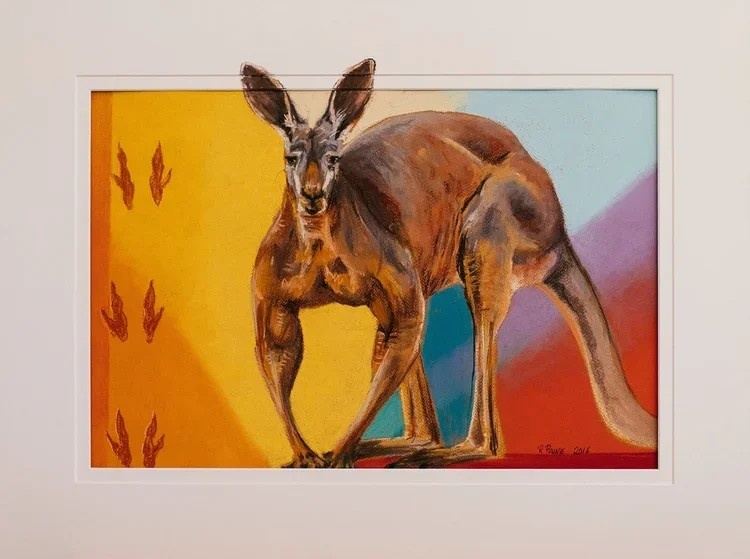
In a world filled with digital images and instant visuals, realistic art drawings still hold a powerful place in the hearts of art lovers. There’s something deeply captivating about watching a simple sketch transform into a lifelike masterpiece. What begins as a few pencil lines can evolve into a breathtaking piece of art that feels almost real.
Realistic art drawings are not just about copying what we see—they are about observing, understanding, and translating life onto paper with precision and emotion. This blog explores how artists turn simple sketches into masterpieces and why this art form continues to go viral across the internet.
The Magic Behind Realistic Art Drawings
At first glance, a realistic drawing may look like a photograph. Every shadow, texture, and highlight is carefully crafted to mimic reality. But behind this illusion lies hours of dedication, patience, and skill.
The journey starts with a rough sketch. These initial lines may seem basic, even imperfect. However, they serve as the foundation for the entire artwork. Artists gradually refine these lines, building structure, proportion, and depth.
What makes realistic drawings magical is the transformation:
- From rough outlines to detailed forms
- From flat sketches to three-dimensional depth
- From simple shading to lifelike textures
This step-by-step evolution is what fascinates viewers and keeps them engaged.
Why Realistic Drawings Go Viral
Realistic art drawings often go viral on platforms like Instagram, Pinterest, and YouTube. But why?
1. The “Wow” Factor
People are naturally drawn to things that surprise them. When a drawing looks exactly like a photo, it creates an instant “wow” moment.
2. Transformation Content
Viewers love seeing progress—especially dramatic transformations. Watching a blank page turn into a masterpiece is both satisfying and inspiring.
3. Relatable Medium
Pencils, paper, and basic tools make this art form feel accessible. It inspires viewers to try it themselves.
4. Emotional Connection
Realistic drawings often feature portraits, animals, or nature—subjects that people connect with emotionally.
The Step-by-Step Transformation Process
Creating realistic art is a process that requires focus and technique. Here’s how artists turn simple sketches into masterpieces:
1. Basic Sketching
The artist begins with light pencil strokes to map out proportions and composition. Accuracy at this stage is crucial.
2. Refining the Structure
The sketch is cleaned up, with clearer lines and better definition. Details start to emerge.
3. Shading and Depth
Shading is what brings the drawing to life. Artists use different pencil pressures to create light and dark areas, adding depth and dimension.
4. Adding Texture
Textures such as skin, hair, fur, or fabric are carefully developed. This step requires patience and precision.
5. Final Highlights and Details
Highlights are added to enhance realism. Small details—like reflections in the eyes—make a huge difference.
This layered approach is what transforms a simple drawing into a masterpiece.
Tools That Make a Difference
While talent is essential, the right tools can enhance the final result. Most realistic artists rely on:
- Graphite pencils (various grades)
- Blending tools (stumps, tissues)
- Erasers (kneaded and precision)
- High-quality paper
These tools allow artists to create smooth transitions, fine details, and realistic textures.
The Power of Patience and Practice
Realistic drawing is not something that happens overnight. It requires consistent practice and a strong understanding of observation.
Artists train their eyes to see:
- Subtle differences in light and shadow
- Fine details often overlooked
- Proportions and symmetry
Patience is key. Some drawings can take hours or even days to complete. But the result is always worth the effort.
Realism vs Creativity
A common misconception is that realistic art lacks creativity. In reality, it requires a high level of artistic interpretation.
Artists make creative decisions about:
- Lighting and contrast
- Composition and focus
- Emotional tone of the piece
Even when drawing from a reference, the final artwork reflects the artist’s unique style and perspective.
Why People Love Realistic Art
Realistic drawings have a universal appeal. They attract both artists and non-artists because they are easy to understand and admire.
People love them because:
- They look lifelike and impressive
- They showcase incredible skill
- They capture real emotions and moments
Whether it’s a portrait of a loved one or a detailed animal drawing, realistic art has the power to connect with viewers instantly.
Turning Passion into Opportunity
For many artists, realistic drawing is more than a hobby—it’s a career. With the rise of social media, artists can showcase their work to a global audience.
Opportunities include:
- Selling original drawings
- Creating commissioned portraits
- Teaching art online
- Building a personal brand
What starts as a simple sketch can turn into a successful creative journey.
Tips for Beginners
If you’re inspired to try realistic drawing, here are some simple tips:
- Start with basic shapes and outlines
- Practice shading techniques regularly
- Focus on one detail at a time
- Use references to improve accuracy
- Be patient and keep practicing
Remember, every masterpiece starts with a simple line.
The Future of Realistic Art
Even in the age of digital art and AI-generated images, realistic drawings continue to thrive. In fact, their value is increasing because they represent human skill and effort.
People appreciate the time and dedication behind hand-drawn art. This authenticity ensures that realistic drawings will always have a place in the art world.
FAQ: Realistic Art Drawings
1. What are realistic art drawings?
Realistic art drawings are artworks that aim to replicate real-life subjects with high accuracy and detail.
2. What tools are best for realistic drawing?
Graphite pencils, blending tools, erasers, and quality paper are commonly used.
3. How long does it take to create a realistic drawing?
It can take anywhere from a few hours to several days, depending on the complexity.
4. Can beginners learn realistic drawing?
Yes, with practice and patience, beginners can develop realistic drawing skills.
5. Why do realistic drawings look like photos?
Artists use shading, texture, and precise details to create the illusion of reality.