
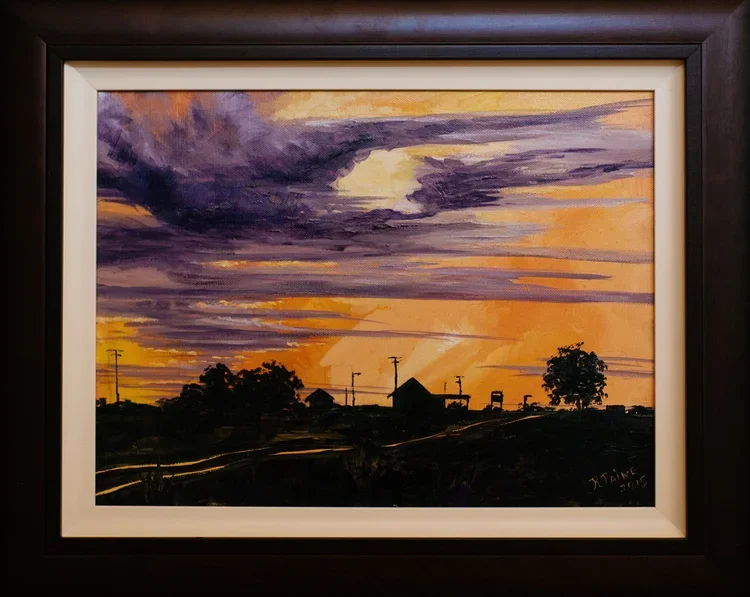
Realistic art drawings are one of the most admired forms of visual expression. They capture the world with incredible precision, transforming simple tools like a pencil and paper into powerful mediums of creativity. The art of realism goes beyond copying what we see—it involves understanding light, texture, proportion, and emotion to create drawings that feel alive.
In this blog, we’ll explore what makes realistic art so captivating, the techniques behind it, and how artists can create stunning, lifelike drawings.
What Is Realism in Art?
Realism in art is the practice of depicting subjects as they appear in real life. Unlike abstract or stylized art, realism focuses on accuracy, detail, and true representation.
Realistic drawings aim to:
- Capture fine details and textures
- Reflect accurate proportions and perspective
- Use light and shadow to create depth
- Convey emotion and expression
While realism may seem like pure imitation, it actually requires a deep understanding of artistic principles and a high level of skill.
Why Realistic Art Drawings Are So Popular
Realistic drawings have gained immense popularity, especially in the digital age where viewers are constantly impressed by lifelike visuals.
Key reasons include:
- Visual impact: They often look like photographs
- Skill demonstration: Showcase technical mastery
- Emotional connection: Capture expressions and moods
- Versatility: Can depict portraits, animals, objects, and more
Social media platforms have also played a role in spreading appreciation for hyper-realistic artwork, making it more accessible to global audiences.
Essential Tools for Realistic Drawing
While talent and practice are crucial, the right tools can significantly enhance your results.
Common tools used:
- Graphite pencils (HB to 8B for varied tones)
- Charcoal for deep shadows
- Blending tools (tissues, blending stumps)
- High-quality paper with good texture
- Kneaded erasers for highlights
These tools allow artists to create a wide range of tones and textures.
Mastering the Fundamentals
Before diving into complex drawings, it’s important to understand the fundamentals.
1. Observation Skills
Realistic drawing begins with careful observation. Study your subject closely—notice shapes, proportions, and details.
2. Proportions and Anatomy
Accurate proportions are essential, especially for portraits. Even small errors can affect realism.
3. Perspective
Understanding perspective helps create depth and spatial accuracy.
Mastering these basics forms the foundation of all realistic artwork.
The Role of Light and Shadow
Light and shadow are the backbone of realism. They give drawings a three-dimensional appearance.
Key concepts:
- Highlights: Bright areas where light hits directly
- Midtones: Balanced areas between light and dark
- Shadows: Dark areas that create depth
By carefully controlling these elements, artists can create volume and realism.
Shading Techniques for Realism
Shading is one of the most important skills in realistic drawing.
Popular techniques:
- Hatching: Parallel lines for texture
- Cross-hatching: Intersecting lines for depth
- Blending: Smooth transitions using tools or fingers
- Layering: Gradually building tones
Combining these techniques helps achieve a polished and lifelike finish.
Creating Texture
Texture brings drawings to life by replicating the surface quality of objects.
Examples:
- Smooth skin requires soft blending
- Hair involves fine, directional strokes
- Fur uses layered, varied lines
- Metal and glass need sharp highlights and contrasts
Understanding how to represent different textures adds realism and depth.
The Importance of Patience
Realistic drawing is a time-intensive process. Artists often spend hours or even days on a single piece.
Why patience matters:
- Allows for detailed refinement
- Prevents mistakes
- Improves overall quality
Rushing can lead to uneven shading and inaccurate details, so taking your time is essential.
From Reference to Final Artwork
Most realistic artists use reference images to guide their work.
Steps:
- Choose a high-quality reference
- Sketch the basic outline
- Block in major shadows
- Build layers gradually
- Add fine details and highlights
Following a structured process helps maintain accuracy and consistency.
Realistic Drawing for Beginners
If you’re just starting, don’t be intimidated. Realistic drawing is a skill that can be learned with practice.
Beginner tips:
- Start with simple objects
- Practice shading scales
- Use references
- Focus on one technique at a time
- Be consistent with practice
Improvement comes with time and dedication.
The Rise of Hyper-Realism
Hyper-realism takes realistic drawing to the next level, creating images that are almost indistinguishable from photographs.
Artists focus on:
- Extreme detail
- Perfect textures
- High contrast and clarity
This style has become especially popular online, where viewers are amazed by the level of precision.
Realistic Art as a Career
Realistic drawing is not just a hobby—it can also be a career.
Opportunities include:
- Portrait commissions
- Illustrations
- Concept art
- Fine art sales
Artists can showcase their work online, build a portfolio, and reach a global audience.
Final Thoughts
The art of realism is a powerful and rewarding journey. It combines observation, technique, and creativity to produce drawings that capture life in its most detailed form.
Creating stunning, realistic art drawings requires patience, practice, and passion. By mastering the fundamentals and continuously refining your skills, you can transform simple sketches into lifelike masterpieces.
Whether you’re an aspiring artist or an admirer of fine detail, realism offers endless possibilities for exploration and expression.
Frequently Asked Questions
1. What is realistic art drawing?
It is a style of drawing that aims to represent subjects as accurately and lifelike as possible.
2. What tools are best for realistic drawing?
Graphite pencils, charcoal, blending tools, and high-quality paper are commonly used.
3. How long does it take to learn realism?
It varies, but consistent practice over months or years is required to master it.
4. Can beginners create realistic drawings?
Yes, with practice and patience, beginners can gradually develop realistic drawing skills.
5. What is the difference between realism and hyper-realism?
Realism focuses on accurate representation, while hyper-realism aims for extreme detail, often resembling photographs.